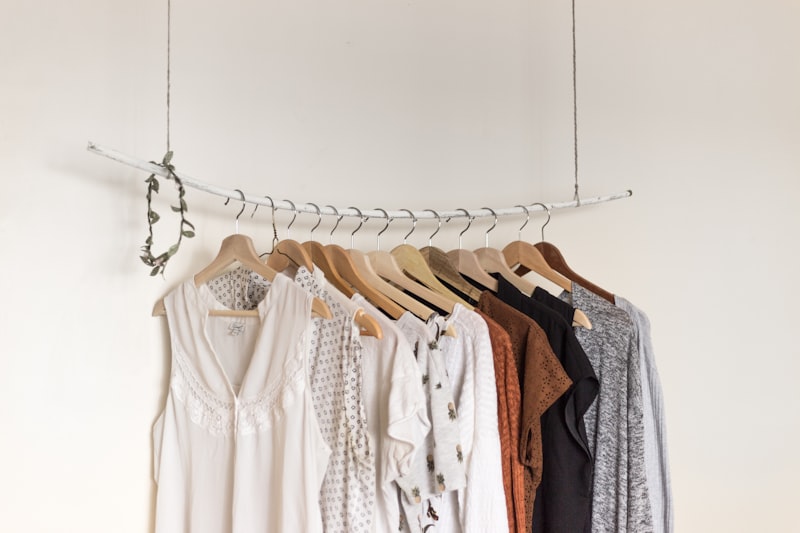
Thrifting is no longer a hobby of the past; it is the cornerstone of a circular and sustainable wardrobe. Every vintage piece carries a historical fingerprint, a level of durability rarely found in modern retail.
When hunting for vintage, focus on material quality. Look for heavy brass zippers, bound seams, union labels, and 100% natural fiber compositions like wool, silk, and structured cotton.
Do not be discouraged by sizing labels, as sizing has changed drastically over the decades. Instead, carry a small tape measure and know your actual shoulder, bust, and waist measurements.
Mixing a beautifully structured vintage blazer with contemporary organic cotton tees creates an effortless, sophisticated look that is completely unique to you.
As we look to the future of apparel, the integration of circular design principles offers a beacon of hope. True circularity means that every garment is designed with its eventual return to the earth in mind. Natural, mono-material compositions—such as 100% pure linen or undyed organic wool—can be easily composted at the end of their long lifecycle, returning valuable nutrients back into the soil. This beautiful, closed-loop concept reminds us that fashion, at its absolute best, is merely a temporary loan from nature, one that we must care for and return with gratitude.
The philosophy of clothing extends far beyond the visual aesthetic; it is an intimate expression of our relationship with the natural world and the hands that craft our garments. When we choose to invest in high-quality, organic materials like French linen, long-staple cotton, or traceable wool, we are making a deliberate decision to support agricultural systems that treat the earth with respect. This choice ripples outward, affecting the soil health, the water purity, and the livelihoods of cotton farmers and textile weavers globally. By understanding the lifecycle of our garments, we transition from passive consumers to active curators of a more sustainable future.
To truly practice slow style, one must also learn the lost art of garment care. In our modern disposable culture, a small tear or a missing button often signals the end of a clothing item's life. However, by embracing the ritual of mending—whether through a visible sashiko stitch, gentle hand-washing, or proper storage in cedar chests—we imbue our wardrobe with personal history and deep value. A mended sweater or a beautifully patinated leather boot tells a story of journeys taken and seasons endured, far transcending the hollow appeal of factory-fresh novelty.
Furthermore, the architectural geometry of a well-cut garment has a profound psychological effect on the wearer. When a piece is crafted with generous proportions, finished French seams, and high-integrity tailoring, it allows for ease of movement and a sense of physical ease. This physical comfort translates directly into mental spaciousness, permitting us to move through our days with a quiet confidence. We no longer find ourselves adjusting tight waistbands or tugging at synthetic linings; instead, we are wrapped in fabrics that breathe and move in harmony with our natural cadence.
Ultimately, cultivating a slow wardrobe requires us to resist the continuous, high-frequency marketing campaigns that urge us to constantly update our appearance. It demands that we find contentment in repetition. Wearing the same beautifully worn linen shirt or tailored trousers week after week is not a sign of scarcity, but a testament to a highly resolved personal style. It represents a liberation from the exhausting cycle of trends, allowing us to redirect our attention, energy, and resources toward pursuits that offer genuine, long-term enrichment.
As we look to the future of apparel, the integration of circular design principles offers a beacon of hope. True circularity means that every garment is designed with its eventual return to the earth in mind. Natural, mono-material compositions—such as 100% pure linen or undyed organic wool—can be easily composted at the end of their long lifecycle, returning valuable nutrients back into the soil. This beautiful, closed-loop concept reminds us that fashion, at its absolute best, is merely a temporary loan from nature, one that we must care for and return with gratitude.
The philosophy of clothing extends far beyond the visual aesthetic; it is an intimate expression of our relationship with the natural world and the hands that craft our garments. When we choose to invest in high-quality, organic materials like French linen, long-staple cotton, or traceable wool, we are making a deliberate decision to support agricultural systems that treat the earth with respect. This choice ripples outward, affecting the soil health, the water purity, and the livelihoods of cotton farmers and textile weavers globally. By understanding the lifecycle of our garments, we transition from passive consumers to active curators of a more sustainable future.
To truly practice slow style, one must also learn the lost art of garment care. In our modern disposable culture, a small tear or a missing button often signals the end of a clothing item's life. However, by embracing the ritual of mending—whether through a visible sashiko stitch, gentle hand-washing, or proper storage in cedar chests—we imbue our wardrobe with personal history and deep value. A mended sweater or a beautifully patinated leather boot tells a story of journeys taken and seasons endured, far transcending the hollow appeal of factory-fresh novelty.