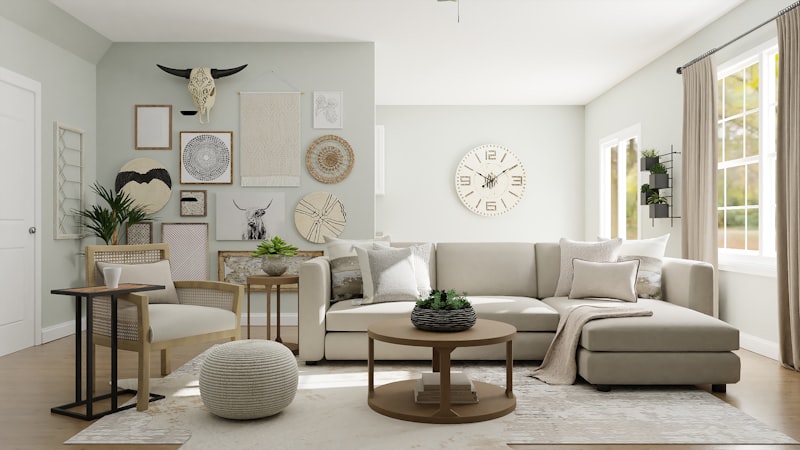
Our homes should be a soft, quiet landing pad from the noise of the outside world. Yet, we often pack them with decorative objects, unread mail, and heavy synthetic furniture.
Curating a minimalist home is not about living in sterile, empty white boxes. It is about surrounding yourself with objects that carry deep utility, beauty, or memory.
Start by clearing your flat surfaces. Kitchen counters, coffee tables, and desks should remain open and uncluttered, leaving literal physical and visual breathing room.
Incorporate natural, tactile elements—such as raw oak, heavy linen curtains, wool rugs, and living green plants. These materials soften acoustics, diffuse light, and bring the calming rhythms of nature indoors.
Ultimately, a slow-living philosophy is about appreciating the beauty of impermanence and the changing of the seasons. Just as nature moves through cycles of blooming and dormancy, our lives also require periods of expansion and introspection. By aligning our daily habits with these natural rhythms—eating seasonal ingredients, spending time outdoors in nature, and adjusting our sleep cycles to match the daylight—we establish a harmonious way of living that honors our biological heritage and fosters a deep, abiding sense of contentment.
In our hyper-connected modern landscape, creating physical and temporal sanctuaries is essential for the preservation of our cognitive liberty and emotional well-being. A sanctuary is not necessarily a grand, remote physical space; rather, it is a localized pocket of stillness that we deliberately carve out of our daily schedules. It can be as simple as a designated armchair bathed in morning light, a desk kept completely free of digital devices, or a specific half-hour in the evening where the lights are dimmed and the mind is permitted to wander without a pre-determined destination or prompt.
The tactile rituals we engage in throughout the day serve as powerful anchors, grounding our awareness in the tangible reality of the present moment. Whether we are slowly grinding coffee beans by hand, pouring boiling water over loose herbal tea leaves in a ceramic teapot, or carefully arranging fresh wildflowers in a glass vase, these physical actions require our full presence. By fully engaging our senses—the aroma of the roasting beans, the warmth of the steam rising from the cup, the sound of the water pouring—we quiet the continuous internal chatter and find peace.
Moreover, the concept of slow living invites us to examine our relationship with productivity and rest. We live in a culture that often equates our human worth with our output, celebrating exhaustion and continuous activity as badges of honor. Slow living is a gentle but firm refusal of this narrative. It is the understanding that rest is not a reward we must earn after working ourselves to the bone, but a fundamental biological and spiritual necessity. By allowing ourselves empty spaces in our calendars, we give our minds the quiet time required to process, heal, and find authentic inspiration.
Cultivating deep, unplugged relationships is another cornerstone of a mindful lifestyle. When we sit down with a friend or a family member, we must make a conscious decision to offer them our undivided, high-integrity attention. This means keeping our phones out of sight, actively listening without formulating our next response, and showing genuine curiosity about their inner world. These deep, undistracted conversations are the soil from which true community and belonging grow, offering a comforting antidote to the superficial connection of social media.
Ultimately, a slow-living philosophy is about appreciating the beauty of impermanence and the changing of the seasons. Just as nature moves through cycles of blooming and dormancy, our lives also require periods of expansion and introspection. By aligning our daily habits with these natural rhythms—eating seasonal ingredients, spending time outdoors in nature, and adjusting our sleep cycles to match the daylight—we establish a harmonious way of living that honors our biological heritage and fosters a deep, abiding sense of contentment.
In our hyper-connected modern landscape, creating physical and temporal sanctuaries is essential for the preservation of our cognitive liberty and emotional well-being. A sanctuary is not necessarily a grand, remote physical space; rather, it is a localized pocket of stillness that we deliberately carve out of our daily schedules. It can be as simple as a designated armchair bathed in morning light, a desk kept completely free of digital devices, or a specific half-hour in the evening where the lights are dimmed and the mind is permitted to wander without a pre-determined destination or prompt.
The tactile rituals we engage in throughout the day serve as powerful anchors, grounding our awareness in the tangible reality of the present moment. Whether we are slowly grinding coffee beans by hand, pouring boiling water over loose herbal tea leaves in a ceramic teapot, or carefully arranging fresh wildflowers in a glass vase, these physical actions require our full presence. By fully engaging our senses—the aroma of the roasting beans, the warmth of the steam rising from the cup, the sound of the water pouring—we quiet the continuous internal chatter and find peace.