
Some holidays show you famous places; others help you understand why those places matter. Jules Verne belongs firmly in the second category. For more than 45 years, the travel company has created escorted tours that combine cultural discovery, carefully selected accommodation, expert guidance, and experiences that reveal the character of a destination. Its collection reaches across Europe, Asia, Africa, the Americas, and the Middle East, with journeys by road, rail, river, and sea. From watching the sunrise at the Taj Mahal to sailing through the Croatian islands or exploring the historic capitals of the Baltics, Jules Verne designs holidays for curious travellers who appreciate adventure but would also like somebody competent to handle the transfers.
Small Groups Create Bigger Experiences
Jules Verne typically operates with smaller groups, often averaging between 10 and 16 travellers. This format can make a significant difference to the rhythm and character of a tour.
Smaller groups can enter intimate restaurants, stay in characterful properties, and visit communities or workshops that may not accommodate a large coach party. There is also less waiting for dozens of people to rediscover where they placed their passports.
Travellers receive more opportunities to interact with local guides, ask questions, and hear the stories behind each destination. The atmosphere can feel sociable without becoming crowded or impersonal.
Greater flexibility also allows for occasional spontaneous stops or adjustments. These unexpected moments—a market visit, a viewpoint, or a conversation with a local artisan—often become the stories remembered most clearly.
Cultural Tours Connect Landmarks with Local Life
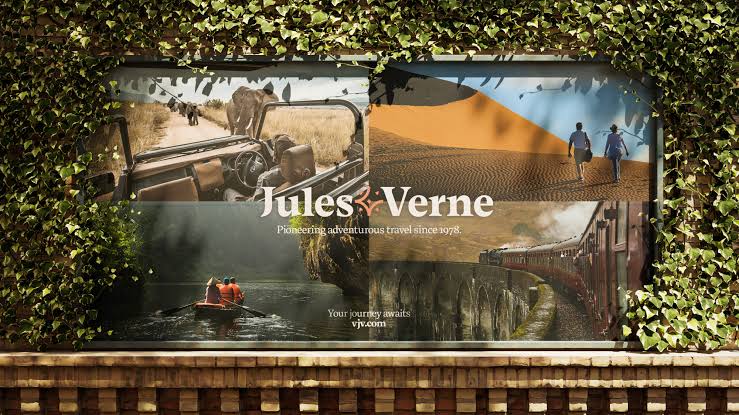
Jules Verne’s escorted tours combine headline attractions with regional traditions, historic neighborhoods, local food, and everyday culture. The result is a more rounded understanding of each place.
India’s Golden Triangle journeys introduce travellers to Delhi, Jaipur, Agra, historic forts, palaces, and the Taj Mahal. Other itineraries travel farther south through temple towns, spice-growing regions, colonial heritage, and Kerala’s backwaters.
In Japan, tours can connect Osaka, Kyoto, Hiroshima, Hakone, and Tokyo by bullet train. Tea experiences, shrines, modern cityscapes, ryokan stays, and views towards Mount Fuji reveal contrasts between tradition and technology.
European journeys explore destinations such as Italy, the Balkans, the Baltics, Georgia, and Armenia. UNESCO-listed sites appear frequently, but the experience extends beyond admiring old buildings and nodding thoughtfully at decorative stonework.
Cruises Let the Scenery Come to You
Jules Verne offers river, canal, coastal, and small-ship cruises for travellers who enjoy changing destinations without repeatedly packing and unpacking their luggage.
European river journeys travel along waterways such as the Rhine, Moselle, Neckar, and Danube. Stops can include medieval towns, vineyards, castles, Roman monuments, and historic capitals.
Smaller vessels can access ports and waterways beyond the reach of enormous cruise ships. A Croatian coastal voyage, for example, can combine islands, swim stops, national parks, local wine, and walking tours of Dubrovnik and Split.
Canal and barge cruises provide an even more leisurely pace. Travellers can sail from Paris towards the Champagne region, enjoying village visits, regional tastings, and scenery that asks absolutely nothing of them except to look up from lunch occasionally.
Choose a Journey That Matches Your Travel Style
The Jules Verne collection offers several ways to experience the world:
- Classic escorted tours: Balanced itineraries combine important landmarks, expert guidance, comfortable accommodation, and free time.
- Discovery journeys: Deeper cultural experiences explore traditions, local communities, food, history, and lesser-visited locations.
- River and coastal cruises: Smaller vessels connect cities, islands, landscapes, and cultural sites without constant hotel changes.
- Rail-inclusive holidays: Train travel becomes an enjoyable part of the itinerary, particularly across European routes.
- Solo departures: Selected tours offer dedicated dates or reduced single supplements for independent travellers.
- Short breaks: Compact itineraries make it possible to enjoy a meaningful escape without using an entire year’s holiday allowance.
- Tour extensions: Additional nights or destinations let travellers continue exploring before returning home.
These choices make it easier to select a trip based on preferred pace, destination, transport, and level of independence.
Characterful Accommodation Adds to the Story
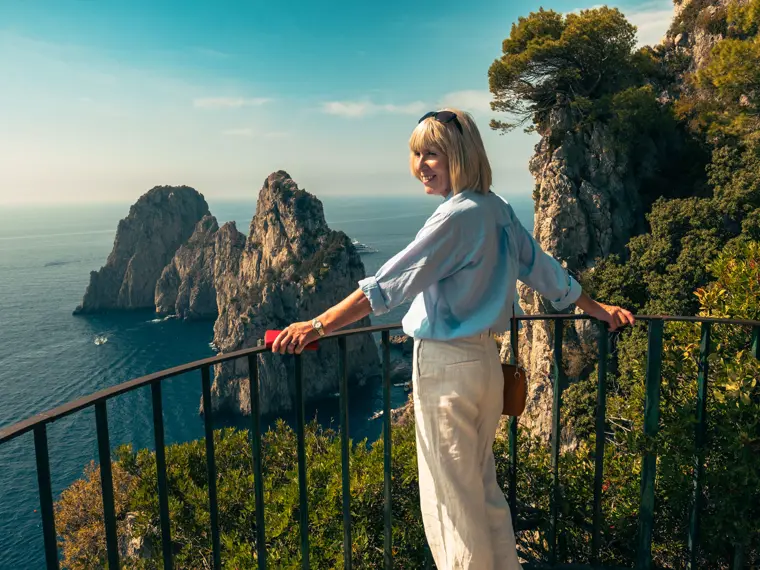
Accommodation is more than a place to leave a suitcase. Jules Verne uses boutique hotels, heritage properties, historic vessels, and other carefully chosen stays that can reflect the destination.
A centrally located hotel makes independent exploration easier during free time. A smaller heritage property may provide more atmosphere than an international hotel that could be located almost anywhere in the world.
Certain itineraries feature especially memorable stays, such as a traditional Japanese ryokan, a Keralan houseboat, or a small vessel sailing between Mediterranean islands.
Comfort remains important, but the accommodation is often selected to support the journey rather than distract from it. After a full day of discovery, travellers can appreciate both local character and the deeply universal pleasure of a well-positioned pillow.
Solo Travellers Can Join Without Feeling Alone
Many Jules Vehttps://www.vjv.com/rne itineraries welcome solo travellers, while selected journeys provide dedicated solo departures. This creates a comfortable way to travel independently while sharing experiences with a small group.
The itinerary, accommodation, transfers, and guided visits are arranged in advance, removing much of the logistical pressure associated with planning an ambitious trip alone.
Shared meals, excursions, and travel days provide natural opportunities for conversation. At the same time, scheduled free time allows travellers to explore independently, rest, or pursue their own interests.
Some departures feature no single supplement or reduced solo pricing, although availability and conditions vary. Checking the details of individual tours helps independent travellers find the most suitable option.
Expert Planning Leaves More Time for Discovery
A multi-destination journey can involve flights, trains, transfers, hotels, tickets, guides, meals, and enough confirmation numbers to create a second career in administration.
Jules Verne packages many of these elements into thoughtfully planned itineraries. Depending on the tour, inclusions may cover international travel, transfers, accommodation, selected meals, excursions, local guides, and a tour leader or company representative.
This structure gives travellers the reassurance of organized arrangements while preserving opportunities for personal discovery. Extensions can add extra nights in places such as Helsinki, Tokyo, Bari, Vienna, or Split.
Customers should review each itinerary carefully, as inclusions, activity levels, entry requirements, and financial protection differ between holidays. Good preparation remains part of travelling well.

Follow Your Curiosity Somewhere Remarkable
The world’s most rewarding places deserve more than a hurried visit and a photograph taken through a coach window. Jules Verne creates journeys that slow down long enough to appreciate architecture, landscapes, traditions, food, and the people who give each destination its identity. Explore Jules Verne to discover escorted tours, cultural adventures, cruises, rail holidays, and solo-friendly departures around the globe. The route may already be carefully planned, but the wonder, conversations, and memories you collect along it will remain entirely your own.