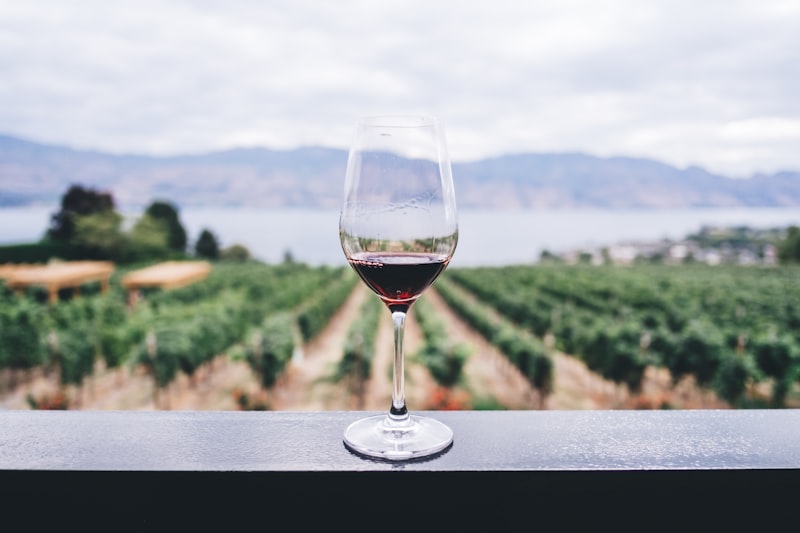
There is a unique quality of light in the Scottish Highlands—soft, filtered, and continuously shifting as rain clouds roll over ancient granite peaks.
The wilderness of the Highlands is vast and comforting. Walk through the ancient **Caledonian Forest**, home to majestic, towering Scots pines and thick carpets of heather.
After a damp, blustery day exploring the glens, retreat to a small stone cottage. Light a crackling peat fire, pour a small dram of single-malt whisky, and watch the storm roll in.
In this remote landscape, the hectic demands of modern digital life fade away, replaced by the ancient, steady rhythms of the wild hills.
Furthermore, slow travel invites us to embrace spontaneous, unscripted encounters. When we do not have every hour of our day planned out with reservations and tours, we leave room for magic to happen. We might find ourselves staying in a village square to listen to an impromptu street performance, chatting with an elder in a quiet cafe about local history, or taking a recommended detour to a secluded forest path. These spontaneous moments, born from leisure and open-mindedness, are almost always the memories that remain most vivid long after our trip has ended.
The sensory landscape of a destination also reveals itself more fully to the patient traveler. Every region of the world has its own unique soundtrack, aroma, and light quality. By sitting quietly in a single park, a coastal overlook, or a busy square for several hours, we begin to notice these subtle sensory layers. We feel the shift in the coastal breeze as the sun dips below the horizon, hear the laughter of children playing in a hidden courtyard, and smell the rich aroma of local stews simmering in nearby kitchens, creating a multi-dimensional mental map of the place.
Ultimately, slow travel is a state of mind that we can carry with us even when we return to our everyday environments. It is a commitment to seeing the world with fresh, curious eyes, appreciating the extraordinary hidden within the ordinary. By cultivating this habit of slow, attentive exploration abroad, we train ourselves to be more observant, empathetic, and present in our own neighborhoods, transforming our relationship not only with faraway destinations, but with the places we call home.
The true essence of travel is not found in the quantity of destinations visited, but in our capacity to fully inhabit the spaces we find ourselves in. When we rush through a multi-city itinerary, we treat the world as a background canvas for our self-documentation, missing the delicate details that define the local culture. Slow travel, conversely, is an exercise in deep attention. It asks us to unpack our bags in a single neighborhood, to walk the same streets every day, and to allow ourselves to become familiar with the subtle cadences and quiet daily life of a new place.
By slowing down our pace of exploration, we also reduce our environmental impact and make a more positive contribution to the local community. Instead of taking high-frequency flights or using crowded tour buses, we choose to walk, ride bicycles, or take local trains. This slower transit allows us to observe the shifting landscape, the transition of architecture, and the subtle variations in regional dialects. We also support independent local businesses—the neighborhood bakery, the generational craft workshop, the family-owned grocery—ensuring that our resources directly benefit the local economy.
Furthermore, slow travel invites us to embrace spontaneous, unscripted encounters. When we do not have every hour of our day planned out with reservations and tours, we leave room for magic to happen. We might find ourselves staying in a village square to listen to an impromptu street performance, chatting with an elder in a quiet cafe about local history, or taking a recommended detour to a secluded forest path. These spontaneous moments, born from leisure and open-mindedness, are almost always the memories that remain most vivid long after our trip has ended.
The sensory landscape of a destination also reveals itself more fully to the patient traveler. Every region of the world has its own unique soundtrack, aroma, and light quality. By sitting quietly in a single park, a coastal overlook, or a busy square for several hours, we begin to notice these subtle sensory layers. We feel the shift in the coastal breeze as the sun dips below the horizon, hear the laughter of children playing in a hidden courtyard, and smell the rich aroma of local stews simmering in nearby kitchens, creating a multi-dimensional mental map of the place.
Ultimately, slow travel is a state of mind that we can carry with us even when we return to our everyday environments. It is a commitment to seeing the world with fresh, curious eyes, appreciating the extraordinary hidden within the ordinary. By cultivating this habit of slow, attentive exploration abroad, we train ourselves to be more observant, empathetic, and present in our own neighborhoods, transforming our relationship not only with faraway destinations, but with the places we call home.